

Local SEO for Real Estate Agents: Your 2026 Checklist to Rank Above the Noise
BrickByBrick Productions
Rank above Zillow in your local market. This 2026 local SEO checklist for real estate agents covers Google Business Profile, AI search, and YouTube strategy.
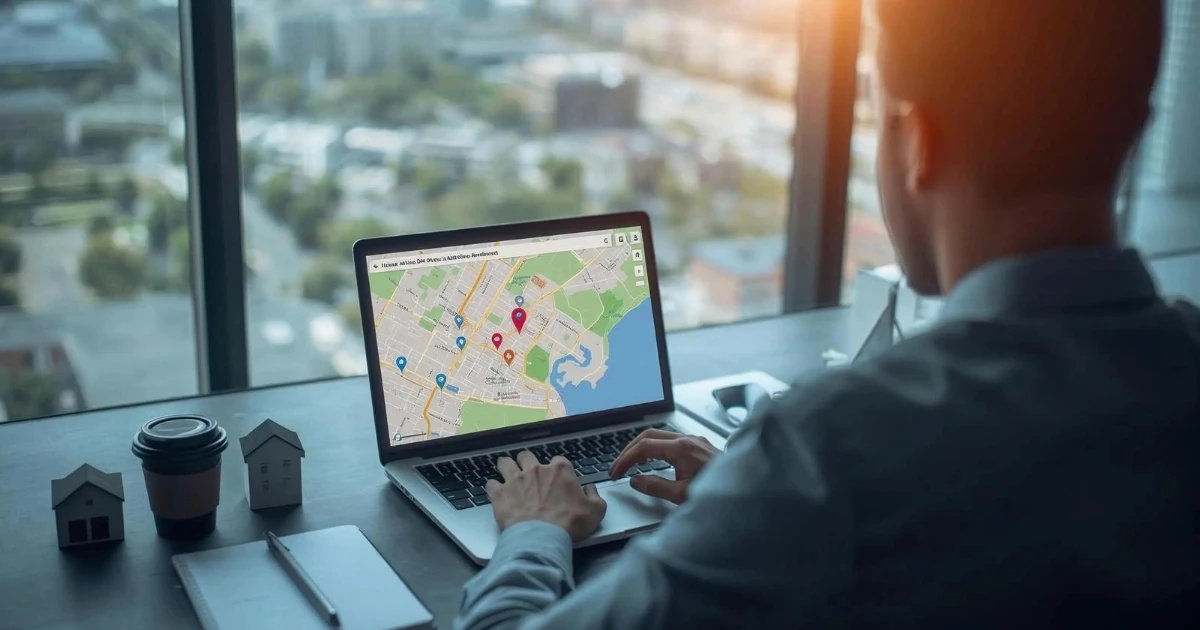
Here’s the reality most agents don’t want to face: when someone in your city searches “best real estate agent near me,” you’re probably not showing up. Zillow is. A competitor with half your experience is. Maybe even an agent who retired two years ago but still has an active Google profile.
That’s not a reflection of your skill, it’s a local SEO problem. And the good news is, it’s fixable.
This checklist breaks down the specific steps that are actually moving the needle for agents in 2026, from optimizing your Google Business Profile to creating content that AI search engines want to recommend.
1. Make Your Content AI-Search Ready
Google isn’t just showing a list of links anymore. When someone types “Is [Neighborhood] a good place to raise a family?” Google often generates an AI-powered answer at the top of the page. If your content is structured to answer that question clearly, you’re the source it pulls from.
How to do this:
Write content that answers the exact questions people ask about your area. Think “Best neighborhoods for families in [City],” “Is [Neighborhood] safe?” or “[City] cost of living 2026.” These aren’t just blog topics, they’re the questions AI assistants like ChatGPT and Perplexity are pulling answers from.
Write the way people actually talk. Instead of “premium real estate services in the greater metro area,” write “If you’re thinking about moving to [City], here’s what you need to know.” Natural language performs better in AI-generated results.
Add FAQ schema to every blog post. This is a small piece of code your web developer can add that tells search engines exactly what questions your page answers. We’ve included a ready-to-use template at the bottom of this post.
2. Use YouTube as a Local Search Tool (Not Just a Social Platform)
Most agents think of YouTube as social media. It’s not, it’s the second-largest search engine in the world, and it’s owned by Google. That means your YouTube videos can rank directly in Google search results for local queries.
When someone searches “Moving to [City] 2026” on Google, a YouTube video often appears above traditional blog results. If that video is yours, you’ve just made a first impression that no ad could replicate.
What to prioritize:
Target “Moving to [City]” and “Living in [Neighborhood]” as your primary video titles. These are high-intent, location-specific searches that YouTube and Google love.
Film neighborhood tour videos. Walk through the coffee shops, parks, and schools. Show the lifestyle, not just the listings. This is the content that builds trust before someone ever picks up the phone.
Optimize every video with local keywords in the title, description, and tags. A video without SEO is a billboard in the desert.
3. Your Google Business Profile Is Your Digital Storefront
If you set up your Google Business Profile a year ago and haven’t touched it since, you’re losing ground every week. Google rewards profiles that show regular activity, it’s their signal that your business is alive and active.
Your weekly GBP routine:
Post at least one update per week. This can be a market stat, a “just sold” story, a clip from your latest YouTube video, or even a photo from a local event you attended. The content matters less than the consistency.
Upload geotagged photos of local properties and landmarks. When your images contain embedded location data, Google uses that metadata to confirm you’re physically present and active in your claimed service area. Free apps like Geotag Photos Pro make this easy.
Ask past clients for video testimonials uploaded directly to your profile. Video reviews increase profile dwell time, which is a ranking signal. Even a 30-second clip of a happy client standing in front of their new home makes a difference.
4. Tie It All Together Into a System
Here’s where most agents get stuck: they try one of these tactics in isolation. They’ll post to their GBP for two weeks, then forget. Or they’ll film one YouTube video and give up when it gets 47 views.
Local SEO works when these channels reinforce each other. Your YouTube video gets embedded in a blog post. That blog post is optimized with FAQ schema. You share a clip from that video on your Google Business Profile. A client who found you through that GBP post leaves a review mentioning your neighborhood expertise. That review strengthens your local authority, which helps your next video rank higher.
That’s not a theory, it’s the system we build for every agent we work with at BrickByBrick. We handle the keyword research, video editing, SEO optimization, and publishing so that you can spend your time where it counts: in front of clients.
If you’re serious about owning your local market, the first step is understanding where you stand right now.
Book Your Strategy Call → brickbybrick.productions
Results vary by market. The strategies above reflect what’s working for agents across the country in 2026, but your mileage will depend on your market, consistency, and execution.